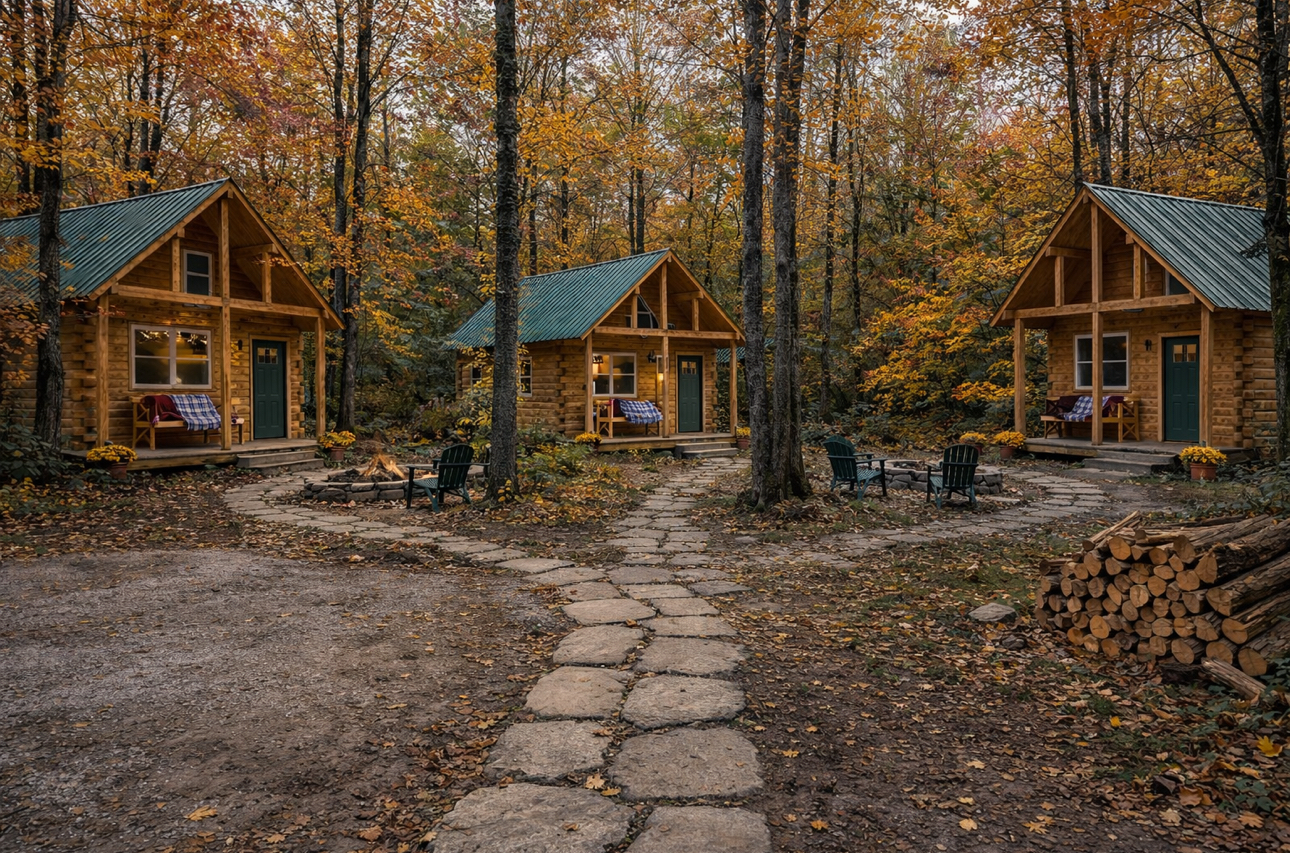
The question we hear most often from people touring our Retreat Series isn't about square footage or floor plans. It's this: "How are people actually using these as investments?"
It's a fair question, and the answer is a big part of why we designed these cabins in the first place. Long before "tiny home" was a trend, many of our smaller models were drawn up for campgrounds and retreat destinations across New England. They were built to do a job: house guests, generate revenue, and hold up to heavy seasonal use year after year. That heritage still shows. Today these same cabins are some of the best-performing rental units a property owner can put on their land, and developers are buying them several at a time.
Here is how investors, campground owners, RV parks, and hospitality developers are putting our tiny log homes to work, and why a real log cabin is a smarter long-term asset than a factory-built box.
These Are Real Log Homes, Not Factory Tiny Homes
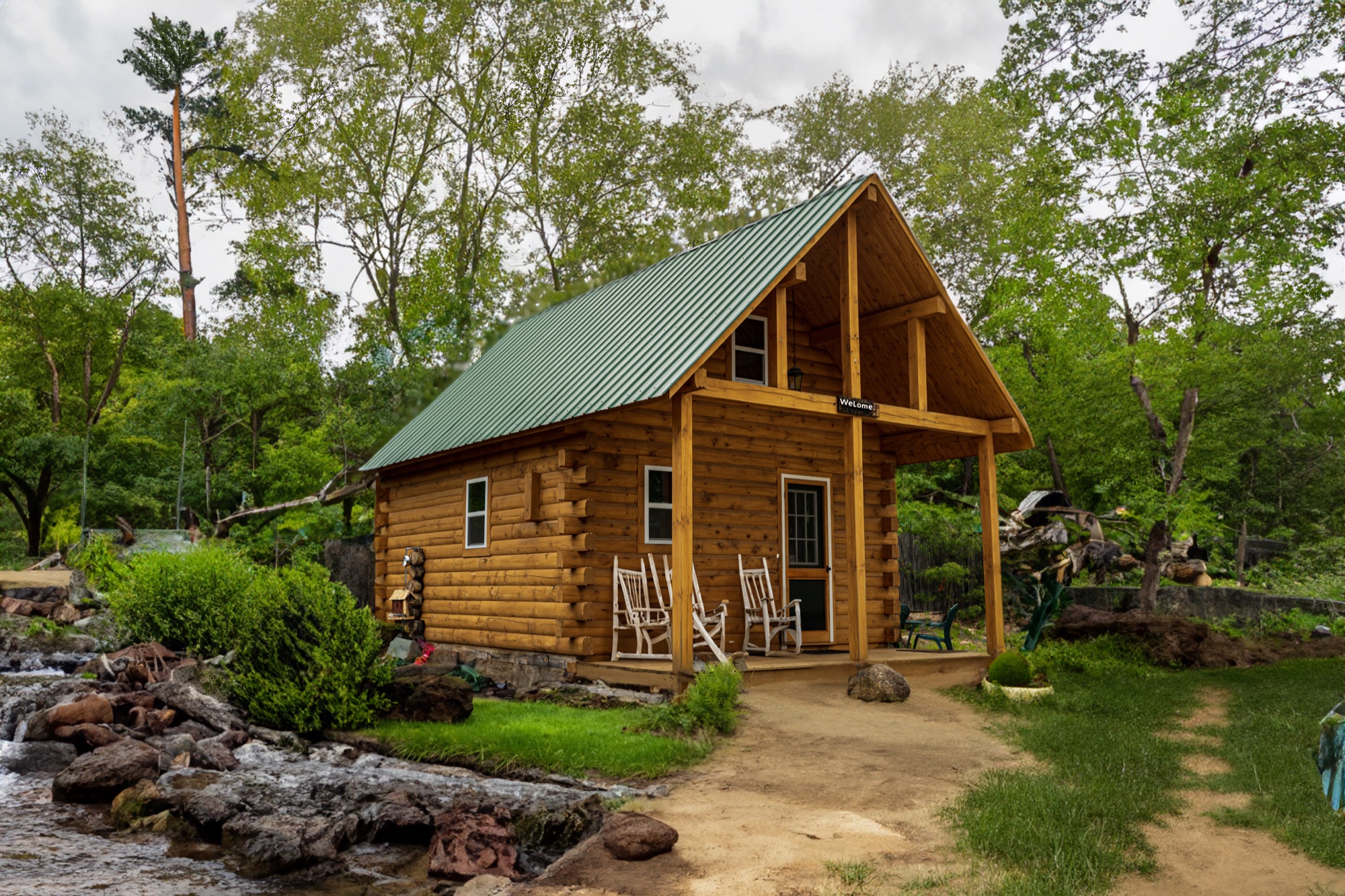
This matters more for an investor than for almost anyone else, so it's worth being clear up front. Our Retreat Series cabins give you the best of both worlds: a real Eastern White Pine log home that also happens to be one of the easiest, fastest structures you can put on a property. Each one is milled at our mill in Henniker, New Hampshire, and built the same way as our full-size houses, then delivered as a precise, ready-to-assemble package. You get authentic log construction with the simplicity of an organized, pre-cut build.
Because these are solid Eastern White Pine logs and not a thin veneer, the walls carry real thermal mass that absorbs heat during the day and releases it slowly, giving the cabin that warm, even log-home feel and helping it hold temperature with less energy. For a year-round rental, that means lower heating and cooling costs and more comfortable guests, both of which protect your bottom line.
Every log arrives pre-cut, lettered, and numbered, so the shell goes up fast and consistent from unit to unit. For a rental operator, that translates into three things that protect your return: durability that survives constant guest turnover, a genuine log aesthetic that books nights and earns reviews, and an asset that appreciates and holds value instead of depreciating like a manufactured unit. When a guest searches for a log cabin getaway, they want the real thing. You can give it to them.
The Rental Income Case
Many of our customers run their cabins as short-term rentals and create a steady additional income stream from land they already own. One cabin on an existing property can cover its own carrying cost and then some, especially in a region with strong seasonal demand. Think northern New England, the Smoky Mountains of Tennessee and North Carolina, the Blue Ridge, the Colorado Rockies, and Montana's Glacier and Big Sky country, along with other proven cabin-rental markets like the north Georgia mountains, the Poconos, Lake Tahoe, the Ozarks, and the Upper Midwest's Northwoods.
Others scale it up. We work with owners building several units at once for vacation rental clusters, family compounds, retreat centers, and full campground developments. A log cabin photographs well, commands a premium nightly rate over a generic rental, and tends to stay booked because it offers an experience guests can't get from a chain. For a property that already draws people for the outdoors, lake access, skiing, foliage, or hunting, purpose-built rental cabins turn foot traffic into revenue.
Built for Campgrounds and Outdoor Hospitality
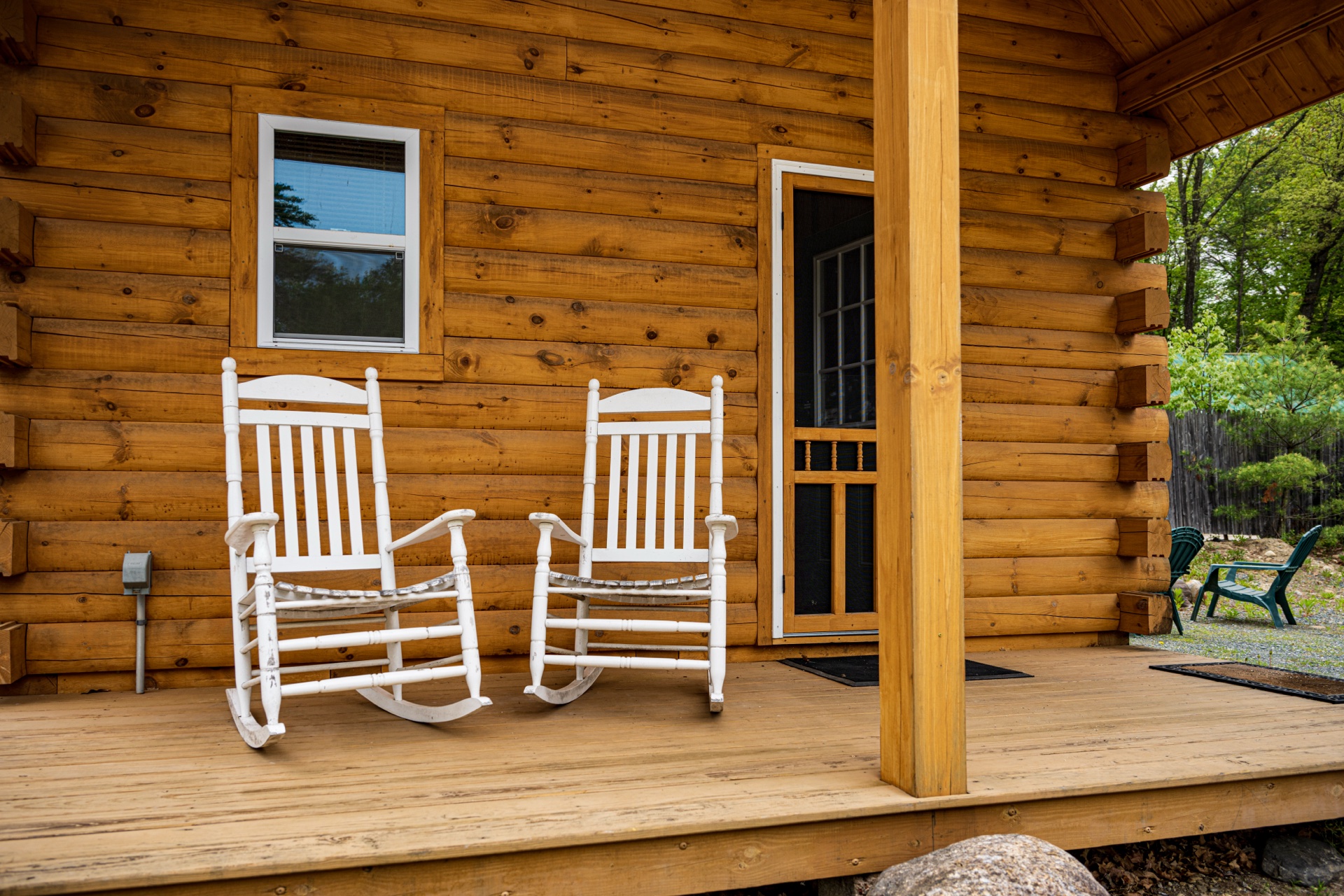
If you operate a campground, RV park, or glamping site, these cabins were practically made for you, because in many cases they were. The compact footprints, fast assembly, and rugged log construction were originally specified for high-traffic outdoor hospitality settings.
A run of identical or mixed cabins gives an RV park a higher-margin lodging tier for guests who don't tow their own rig. It gives a glamping operation permanent, four-season-capable structures instead of canvas that wears out. And it gives a campground a reason for visitors to stay longer and pay more. The math on adding cabins to an existing outdoor hospitality property is often the easiest expansion decision an operator can make, because the land, the road access, and the customer base are already there.
One Model, Many Income Streams
Part of what makes these cabins a flexible investment is how many ways a single design can earn. Our customers use the Retreat Series for:
- Short-term and vacation rentals (Airbnb, Vrbo, and direct booking)
- Campground and RV park rental cabins
- Glamping and outdoor hospitality units
- Retreat centers and wellness destinations
- ADUs and in-law suites that add rentable square footage to a residential lot
- Guest houses and family compounds
- Home offices, art studios, and remote work spaces
- Launch-pad housing for adult children who want independence close to home
The same cabin that serves as a backyard ADU for one buyer becomes one of twelve units in a rental community for another. That versatility is what makes the model resilient if one revenue stream softens.
Volume Pricing for Developers and Investors
For anyone buying more than one cabin, the economics get better fast. We're a mill-direct manufacturer, which means there's no middleman between you and the people cutting your logs, and we pass that efficiency on at volume.
- 5% off when you purchase 5 or more cabins
- Additional volume discounts available beyond that
Whether you're planning a campground expansion, a retreat center, a rental community, or a hospitality project, our team works directly with you on layout, unit mix, and how to get the most rentable density out of your property. Buying mill-direct also keeps the units consistent across a multi-cabin build, which matters when you're marketing a uniform guest experience and managing maintenance across a whole site.
3-Season and 4-Season Packages for Different Business Models
Not every rental needs to run in January, and you shouldn't pay for insulation you won't use. The pricing difference between our packages comes down to the roof system and insulation, which lets you match the cabin to the business.
If you're building a summer camp, a seasonal campground, or a warm-weather retreat, a 3-season package keeps your cost per unit down and improves your return on the months that actually drive bookings. If you're planning year-round rentals or heated lodging, we provide the framing and roof system engineered for four-season living, so your cabins earn in every season. For a developer building a mixed site, you can spec some of each.
Models From Compact to Spacious
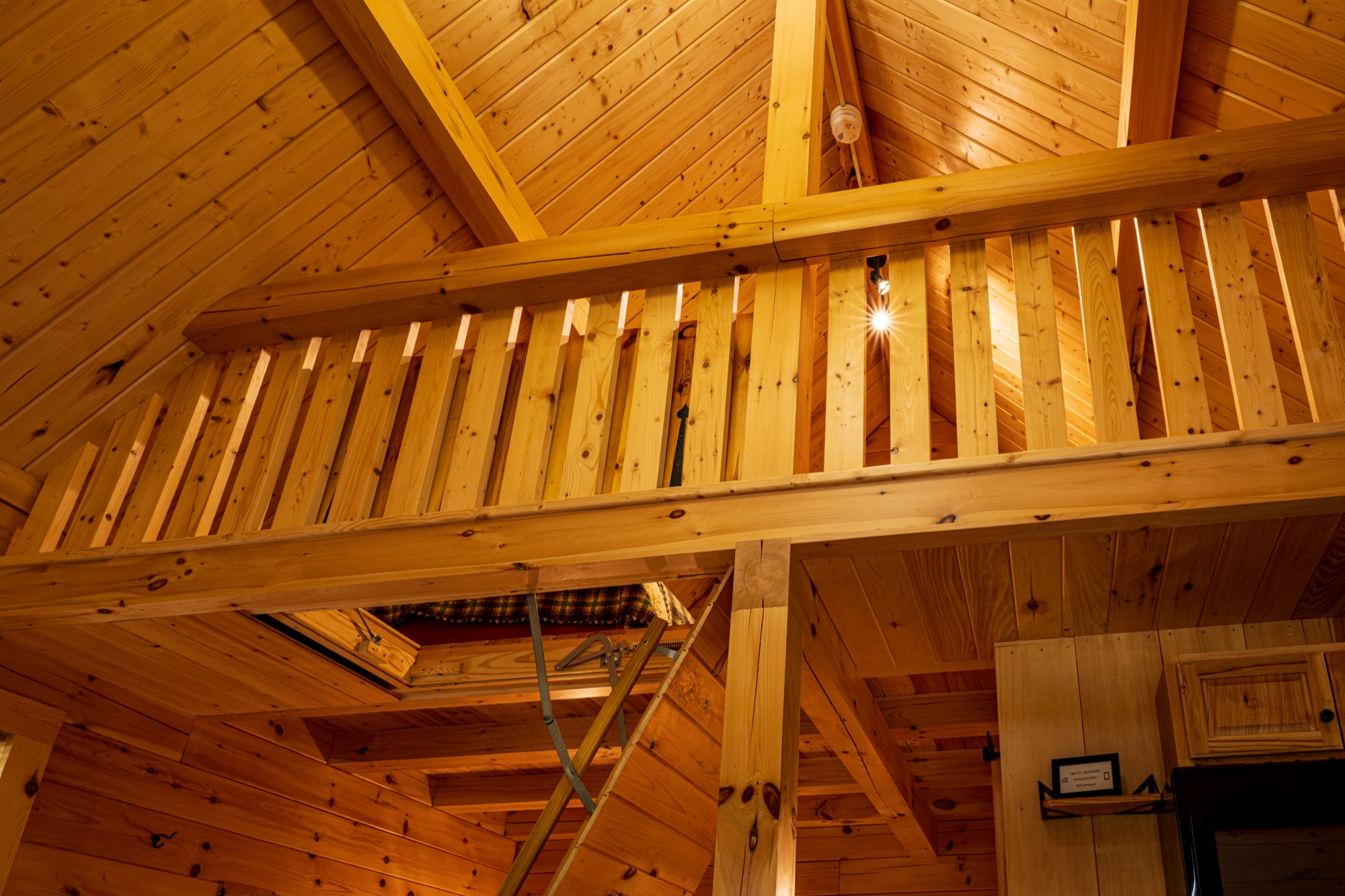
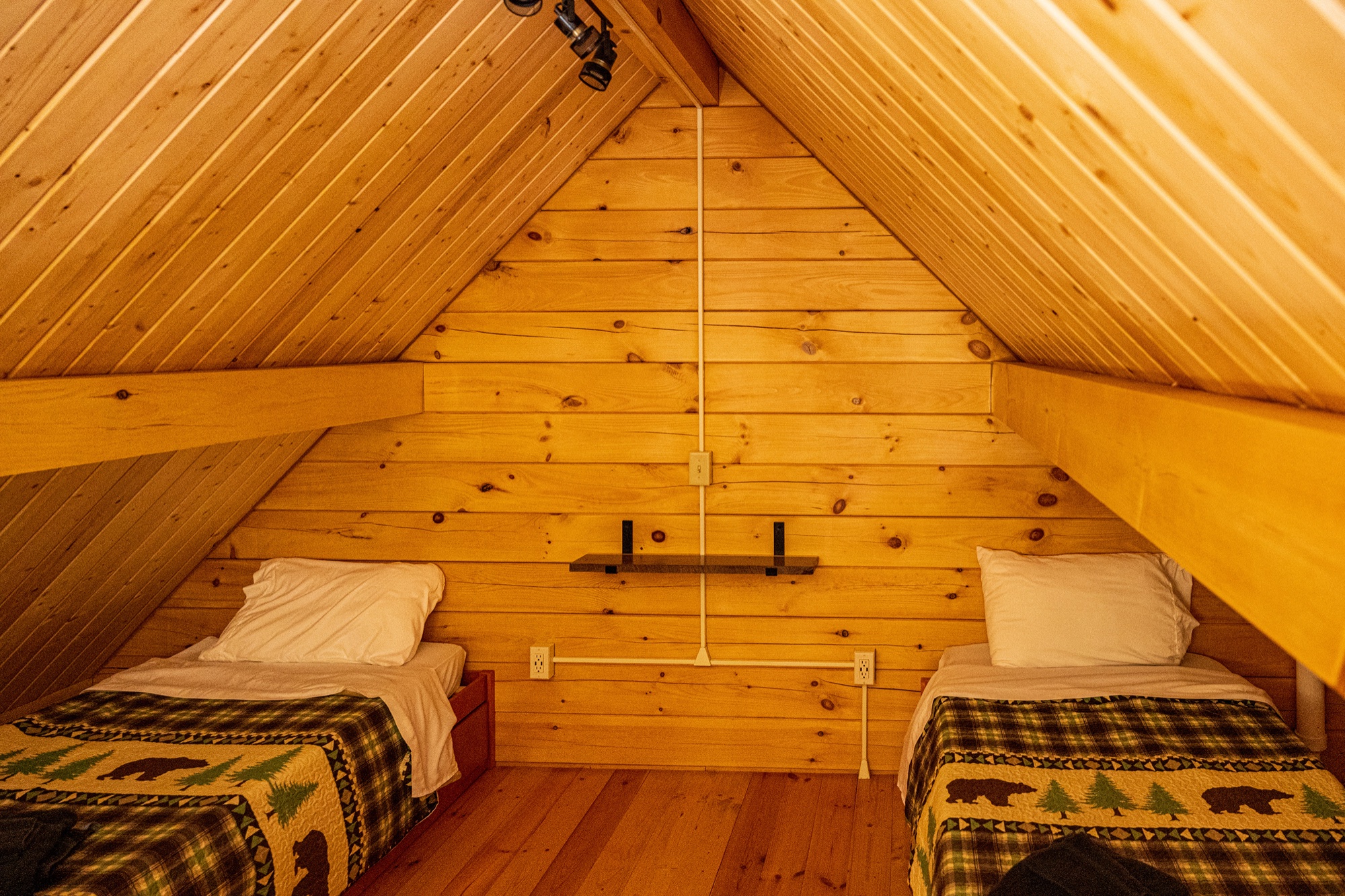
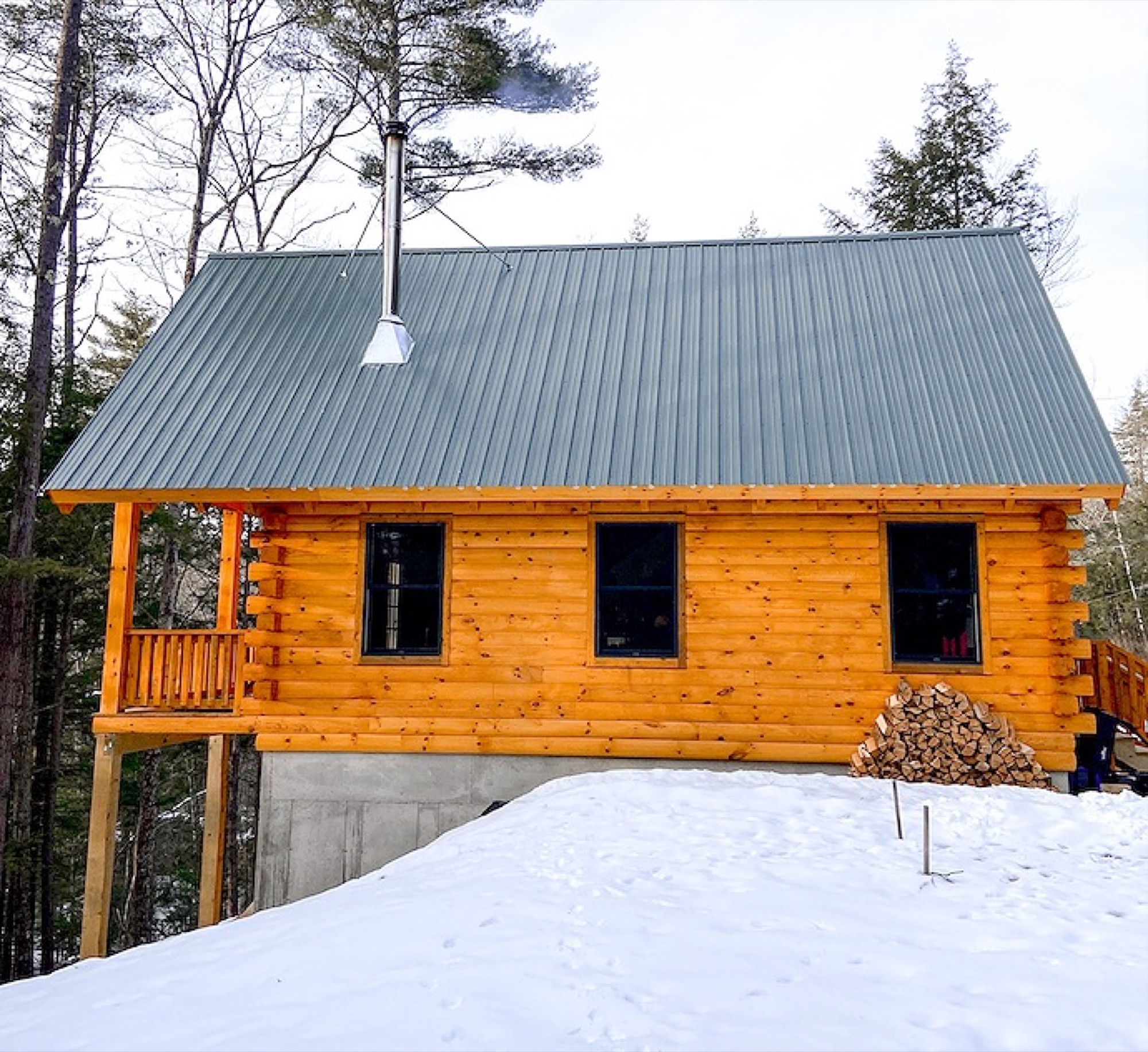
Our tiny log homes range from efficient footprints like the Contoocook at 12 by 18 feet up to larger models like the Pine Springs at 20 by 28 feet with a loft. Some feature cozy sleeping lofts that add capacity without adding foundation, and others open into cathedral ceilings and exposed timber that give a small cabin a premium feel. Metal roofing is included, and you can customize windows and doors to fit the look and the site.
For an investor, that range means you can tune capacity and nightly rate to your market: smaller units for solo travelers and couples, larger lofted models for families who book longer stays.
Why Mill-Direct and Family-Owned Matters for a Multi-Unit Project
We've been doing this since 1978, and we've shipped more than 2,700 log homes nationwide. For a one-time buyer that's reassuring. For a developer placing a multi-unit order, it's risk reduction. You're working with a three-generation, family-owned manufacturer that controls its own supply from the New Hampshire forest to the finished, numbered package on the truck. That means predictable lead times, consistent quality across every cabin in your order, and a team that has actually planned out campground and rental layouts before.
We're a manufacturer, not a builder, so you keep control of your site work and your general contractor. We make sure the package that arrives is precise, complete, and ready to go up fast, and exactly when you want it to arrive.
Let's Plan Your Project
If you own land, run a campground or RV park, or are developing a rental community or retreat destination, real log cabins are one of the most durable income-producing assets you can add to a property. They book well, they last, and at volume the numbers work.
Ready to run the numbers on your own property? Visit our tiny homes page to browse the Retreat Series models, floor plans, and dimensions, then reach out to our team for package details and volume pricing. We'll walk you through what's included, help you choose between 3-season and 4-season packages, and map out the right unit mix for your site, whether you're adding one rental cabin or planning a full campground build.
Family-owned since 1978.
📍 Explore the Retreat Series and tiny log homes
📞 1-866-637-7462